

The world is breathing a collective sigh of relief this morning after Trump’s threat to destroy “a whole civilization” in Iran was averted, at least for now.
Oil prices have dropped precipitously, and global stock markets have rebounded.
With Pakistan acting as a mediator, the United States and Iran have agreed to a two-week ceasefire, and Israel seems largely on board. The imminent threat of the U.S. destroying Iranian bridges, railways, power plants and other critical infrastructure, and of Iran retaliating against that onslaught, has been called off.
So where does the crisis go from here?
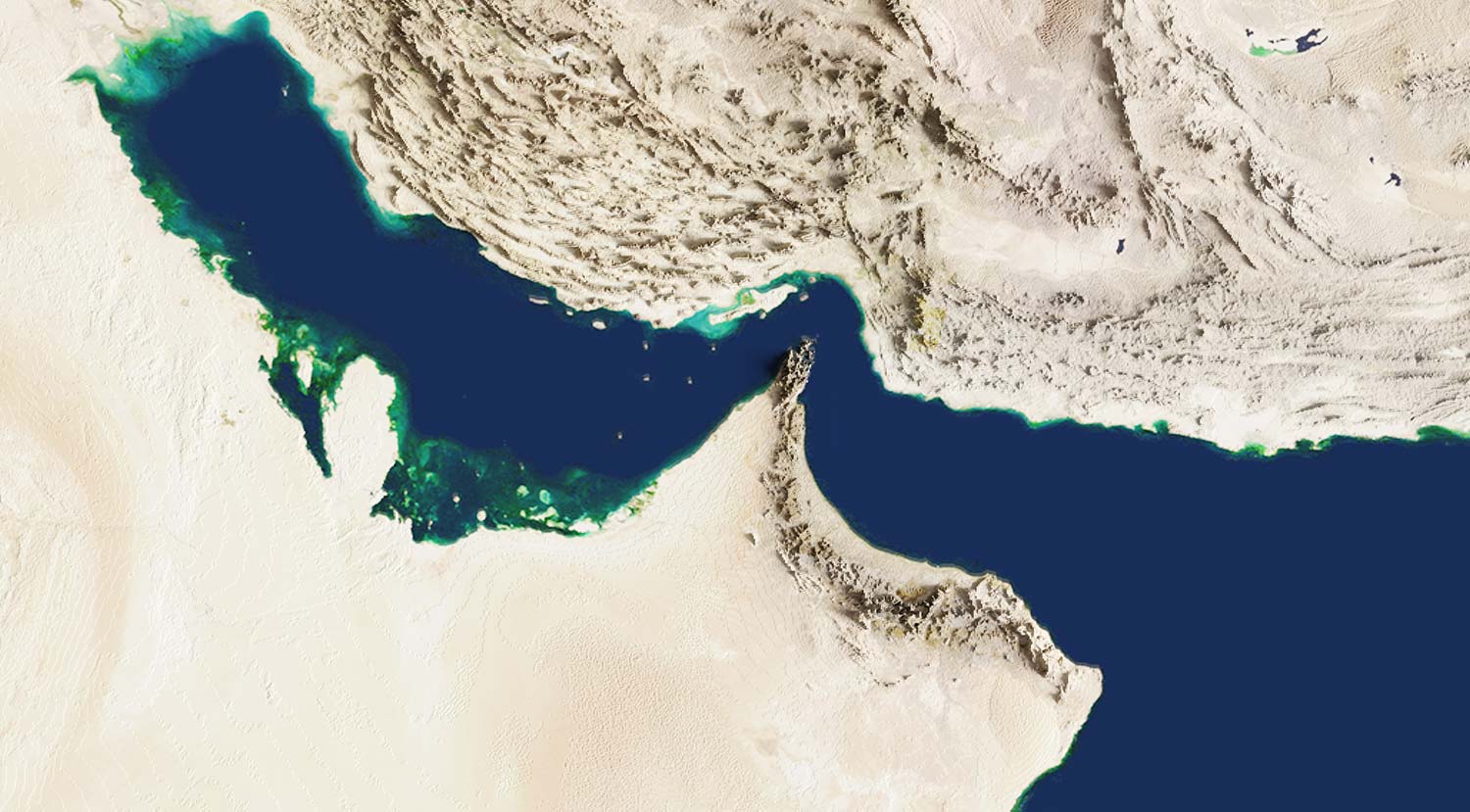
In a post on Truth Social, President Trump said a 10-point plan put forward by Iran was a “workable basis” for negotiations. Iran’s foreign minister has said Tehran will allow “safe passage” of ships, oil tankers, bulk carriers, cargo vessels and container ships, through the Strait of Hormuz, releasing its controlling grip on a narrow linchpin that supplies around 20 percent of the world’s oil and liquified natural gas.
These are both huge positives. First, the slow strangulation of the global economy has been lifted, at least for a couple of weeks. And if negotiations gather traction, there is the potential for a return to the “status quo ante”, the steady flow of around 140 ships a day back and forth across the strait, rather than the trickle of 5-6 a day that there has been for the past five weeks.
It is also a positive that Trump and Tehran have found a basis for negotiations. That’s a long way from a resolution of the conflict, or a resolution of all the outstanding, long-running differences between the two countries. But it is better than an escalating conflict that posed the very real risk of drawing in Gulf states and had prompted fears, quickly dismissed by the White House, that Trump was considering a nuclear option to deliver on his “civilization destruction” threat.
The next two weeks are critical. Having waged five weeks of war, and destroyed a lot of Iran’s military capability in that time, the United States is now back into a negotiation process with Tehran, something it was involved in up until the war began.
Both sides want very different things. The United States wants an end to Iran’s nuclear ambitions, with all its enriched uranium removed from the country. It wants an end to Iran’s ability to threaten its neighbours, either directly or using its proxies like Hezbollah against Israel. And ideally, the US wants an end to the religious regime that has ruled Iran since 1979.
For its part, Iran is calling for a full cessation of hostilities by the US and Israel against Tehran and its proxies, and it wants the withdrawal of US forces from the region, which implies the uprooting of US bases in Gulf countries. Ultimately, Iran also wants an end to US and EU sanctions, and it wants to pursue its nuclear ambitions, which it says are for domestic power generation purposes, not for weapons.
These are vastly differing demands that are, on the face of it, unbridgeable. Israel and the Gulf states will be alarmed if, at the end of this, the Iranian regime remains in place and has the ability to rebuild its armed infrastructure and regional influence.
But because Iran moved so quickly to control the Strait of Hormuz, and held the global economy to ransom as a result, a reopening of it now seems like a significant breakthrough and is a relief to all. Tehran has effectively traded something it didn’t have before, control of the Strait of Hormuz, for the end of hostilities and the preservation of its regime.
It may have to sacrifice something more in the negotiations, perhaps some of its nuclear ambitions, but it may also get something more in return, such as sanctions relief. All of which will leave the religious authorities firmly in charge in Tehran and increasingly well-funded.